
Examining the Regional Impact of the Lord’s Resistance Army
Drawing on data from over 300 individuals across 4 countries, this investigation shows how this elusive group has adapted to survive for over two decades, and how communities have evolved innovative systems of self-protection to respond to this threat.
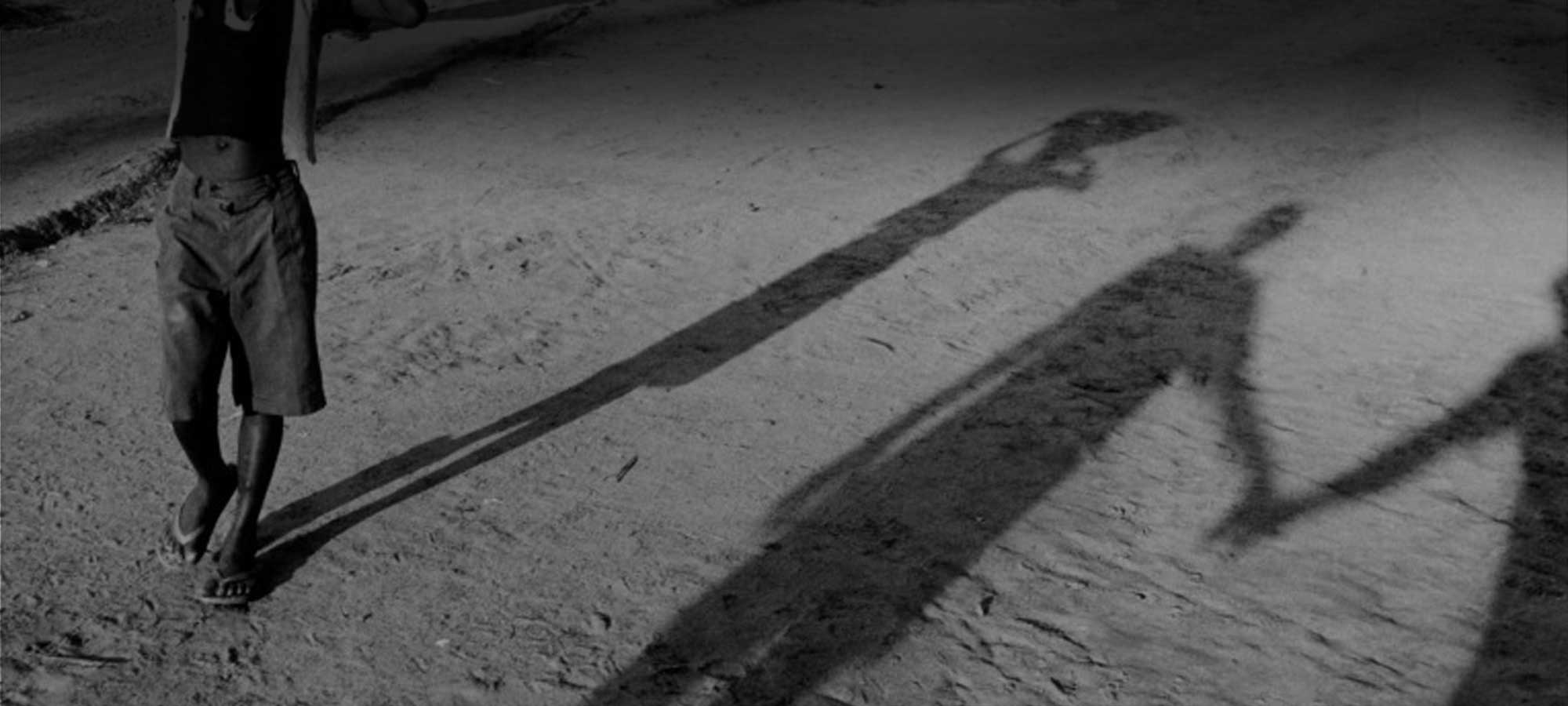
The LRA continues to terrorize communities across a wide geographic region despite recent successful efforts to diminish the power of the group. Because of the long history of the conflict, many affected communities have evolved complex mechanisms to protect themselves.
Conflict Background
The Lord’s Resistance Army has operated for more than two decades in Africa, perpetrating a campaign of terror that has destabilized communities across four countries. The group, which was formed by Joseph Kony in northern Uganda, is known for conducting brutal attacks against civilians, including killing, torture, and mutilation, as well as the widespread abduction of children to increase their ranks.
After military pressure forced the LRA to leave Uganda, the group migrated into the border region between South Sudan, the Central African Republic, and the Democratic Republic of the Congo.
Estimates of the total number of people displaced by the LRA across all four countries run as high as 2.5 million.* The United Nations reports that LRA combatants have abducted between 60,000 and 100,000 children.
The LRA continues to terrorize communities across a wide geographic region despite recent successful efforts to diminish the power of the group. Because of the long history of the conflict, many affected communities have evolved complex mechanisms to protect themselves.
* United Nations Security Council [UNSC], 2013; Internal Displacement Monitoring Center [IDMC], 2013

