
How can communication support community resilience? 10 impact lessons over 10 years of programming in Asia
(Part 2 of 3)

By HHI Resilient Communities
Communication is a fundamental tool of community resilience because it builds collective understanding, empowerment, and action. It creatively transforms and demystifies technical data, analysis, and plans into digestible, personal, and actionable information for targeted audiences. In resilience programming, communication equips resilience actors and communities to better anticipate, respond to, and recover from disasters and climate-related hazards.
At HHI Resilient Communities, communications have always been an integral element of our research work. In this second part of our blog series, we share the top three lessons from our impactful communications initiatives in the Philippines, Bangladesh, and Nepal over the past decade.
5. Amplifying public awareness can shift national conversations.
Strategic communications through targeted, creative storytelling and widespread information dissemination raise collective consciousness on disaster preparedness, climate change, and resilience. Equipping the media and civil society with credible and timely information amplifies resilience conversations—moving the agenda from technical circles to mainstream public concern, where collective action can begin.

What we did:
By launching multimedia campaigns, including infographics, explainer videos, blogs, commentaries, press releases, and photo essays, we made resilience data accessible and actionable. We shared evidence through various channels, including mainstream media, digital and social media platforms, local and international events and conferences, and community visits, to reach both expert and general audiences, reaching at least 10 million people.
Our Impact:
HHI RC's communication efforts have elevated public consciousness, informed policymaking, and stimulated public conversations, particularly in the Philippines, Bangladesh, and Nepal where local journalists have been instrumental partners for HHI RC. By bringing disaster and climate change into public conversations, we:
- Helped shift resilience from a technical concept to a personal concern for local stakeholders and communities.
- Increased visibility of resilience work across national and regional DRR networks, leading to new partnerships and collaborations.
- Enabled data to reach new audiences, from students and journalists to local decision-makers, helping bridge the gap between science and everyday risk awareness.
- Boosted the inclusion of complex resilience concepts in academic curricula, media coverage, and policy discussions.
Local Insights:
"HHI's stories and research summaries are more than informative; they're thought-provoking and essential. As a journalist, I see how this kind of communication raises awareness and inspires action on climate and disaster resilience."
- Minerva Newman, Journalist and blogger, Manila Bulletin
6. Persistence can shift government priorities into the resilience agenda.
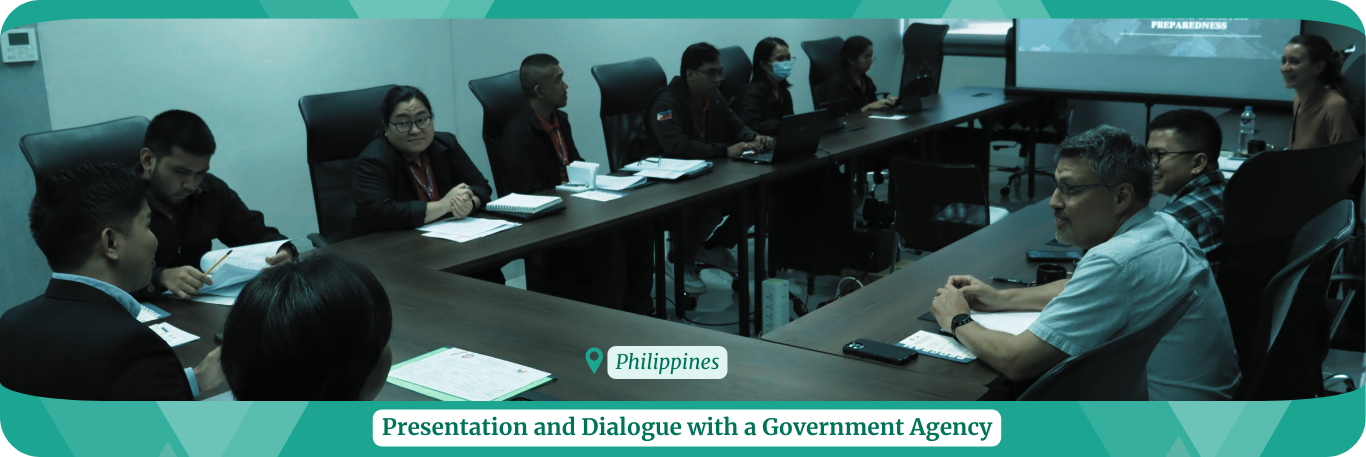
Working with various government offices across all levels, especially with constantly changing leadership under democratic systems, is challenging. However, consistent and persistent engagement combined with evidence-based information and integrity have enabled HHI RC to inform national and local government policies. By integrating research into policy dialogues and disaster risk reduction processes, the program shaped government agenda toward adaptive and resilient systems—supporting the transition from reacting to disasters to proactively mitigating risks and planning for recovery.
What we did:
We regularly communicated with different national and local government agencies and shared research findings and analysis relevant to their mandates. We provided them access to our research instruments and methodologies to support granular data collection and their respective research processes. We integrated the government's data needs into our research and surveys, augmenting their knowledge base and resources.
Our Impact:
HHI RC helped shift conversations with some government agencies from reactive response to anticipatory resilience planning. Our successful engagement with government actors inspired a government agency in the Philippines to adopt our survey tool to assess climate change awareness and preparedness across densely populated urban areas, aiming to tailor policy and outreach more effectively. Ultimately, this local adoption embeds data-driven thinking into urban resilience planning, setting a precedent for how other local government units can use the same tools for more effective resilience programming.
Local Insights:
"Climate change is becoming a pressing issue in Nepal. HHI's ongoing research findings will support us in designing programs to address gaps and the need to support women-led initiatives for climate change adaptation in the country."
- Hon. Rupa BK, State Minister for Forests and Environment, Government of Nepal
7. Dissemination of open-source data and tools leads to local adoption.
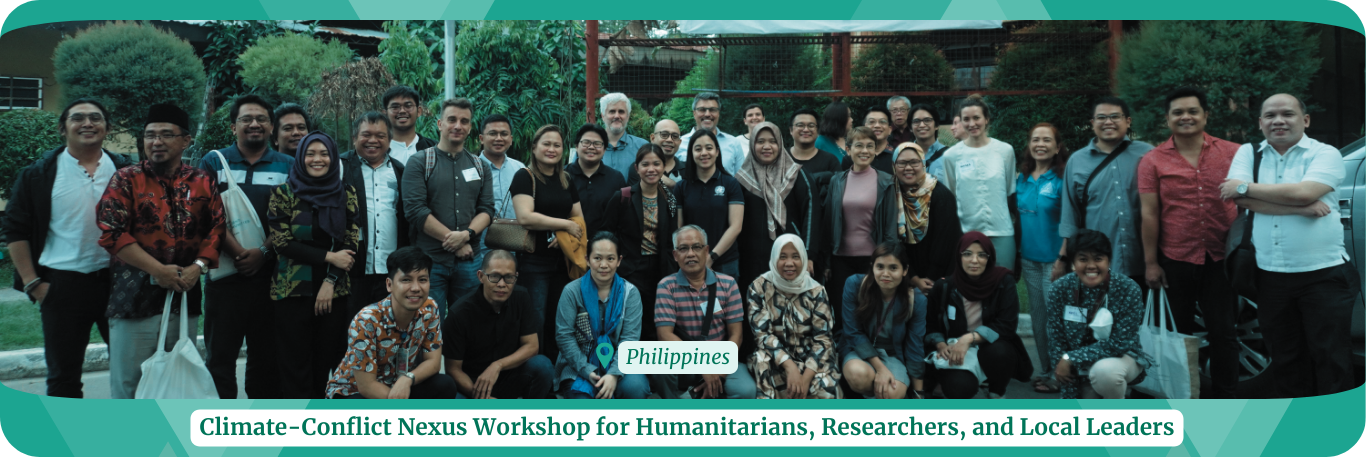
Open-source dissemination eliminates barriers to accessibility and inclusion, enabling communities and practitioners to independently utilize, adopt, and innovate new knowledge and tools for their unique contexts and diverse needs. By producing open-access resilience research data and tools, HHI RC fostered widespread uptake in academic curricula, research, professional training, and policy design.
What we did:
HHI RC developed innovative tools to assess resilience, disaster readiness, and climate change perceptions. We set a new standard for measuring resilience using community-relevant, perception-based indicators. In Bangladesh and the Philippines, we introduced a resilience scorecard, enabling local communities to assess their own preparedness and set local priorities grounded in lived experience.
Our Impact:
HHI RC's data and tools are now being used in curriculum, referenced in different studies globally, and integrated into local resilience programming and policy discussions. Researchers, local governments, and NGOs now use these tools and insights to guide program design, assess impact, and strengthen preparedness systems. In Nepal, women-led groups were empowered to collect and evaluate their own data, reinforcing ownership, voice, and evidence-informed community-led advocacy.
Local Insights:
"HHI's work in the Philippines has helped generate context-specific knowledge that supports local communities, civil society organizations, and policymakers in advancing disaster resilience. By engaging Filipino scholars like myself and other practitioners across sectors, HHI has contributed to research frameworks that are both locally grounded and globally informed."
- Maria Carinnes P. Alejandria, PhD, Assistant Professor of Anthropology, Universiti Brunei Darussalam
The past decade of HHI Resilient Communities' programming underscores that targeted, accessible, and creative communication is a driving force in resilience-building. Not only does it transform technical data into compelling narratives that inspire and mobilize communities, but it also influences government priorities and democratizes access to life-saving knowledge and resources. By amplifying public awareness, persistently engaging with policymakers, and sharing open-source resources, we have witnessed firsthand how communication empowers local actors to own and shape their resilience journeys. These lessons remind us that resilience is not static but an ongoing, collective process—one that depends on local leadership, resources, social cohesion, and the free flow of knowledge and information.
Read the other parts of this blog series:
Part 1
How can research support community resilience?

In this three-part blog, we share ten key lessons we have learned from ten years of programming—demonstrating how research, convening, engagement, and translation of evidence into action can cultivate more resilient and thriving communities. To start, we spotlight four notable learnings about how the data and evidence generated by our research impact local resilience programming... Read more
Part 3
How can collaboration support community resilience?

At HHI Resilient Communities, we believe solutions are most effective when developed together with local partners. Over the past decade, we catalyzed cross-sector coordination and collaboration with dozens of local partners in the Philippines, Bangladesh, and Nepal to co-create research, resilience tools, and action plans. In this last part of our blog series, we discuss three takeaways from our collaboration initiatives, which complete our top ten impact lessons over our ten years of programming in Asia... Read more